The rising cost of groceries has made the challenge of balancing nutrition and expenditure more pressing than ever for families worldwide. Many consumers feel forced to choose between highly processed, cheaper options and the fresh, whole foods necessary for optimal health. However, achieving superior nutrition doesn’t require a premium price tag. Learning how to eat healthy on a budget simply requires shifting from impulsive shopping habits to strategic planning.
This comprehensive guide breaks down the methods, meal swaps, and smart grocery hacks used by financial and nutritional experts to significantly stretch your food dollar without sacrificing quality. By implementing these practical steps, your family can enjoy nutrient-dense meals every night while watching the savings accumulate.
Key Takeaways
- Strategic Planning is Non-Negotiable: Always create a detailed meal plan and shopping list based on what you already own to minimize food waste, which is a major hidden cost.
- Embrace Affordable Proteins: Swap high-cost meats for budget-friendly protein sources like dried beans, lentils, eggs, and canned fish.
- Frozen and Canned are Your Friends: Utilize frozen fruits and vegetables for convenience and consistency, as they are often cheaper and nutritionally comparable to fresh produce.
- Master the Unit Price: Always calculate the cost per unit (ounce or gram) to truly identify the best value, especially when buying in bulk.
Mastering the Prep and Planning Phase
According to naturemade.com, The single greatest enemy of eating healthy on a budget is poor planning. Grocery store aisles are designed to encourage impulse purchases, leading shoppers away from their goals. A solid strategy starts long before you ever step foot into the store.
Effective meal planning is the foundation of affordability. Take 30 minutes each week to inventory your pantry and freezer. Plan meals around ingredients you already possess, and then create a list exclusively for the items you need to complete those recipes. This drastically reduces duplicate purchases and curbs food waste.
The Power of the Unit Price Calculation
When comparing two different sizes of the same product—for example, a small bag of rice versus a large bag—the sticker price can be misleading. Savvy shoppers rely on the unit price, which is the cost per ounce, pound, or gram. This figure is usually printed on the shelf tag right next to the retail price.
Always choose the item with the lower unit price, even if it means a higher upfront cost. Buying in bulk on non-perishable staples like rice, oats, pasta, and dry beans is one of the most effective long-term strategies for sustaining an affordable, healthy diet.
Low-Cost Heroes: Affordable Nutritional Building Blocks
Many families mistakenly believe that health foods are synonymous with expensive organic produce or boutique brands. In reality, some of the most nutritionally potent foods are also the most affordable. These items form the backbone of a successful strategy to eat healthy on a budget.
Stretching Your Protein Dollar
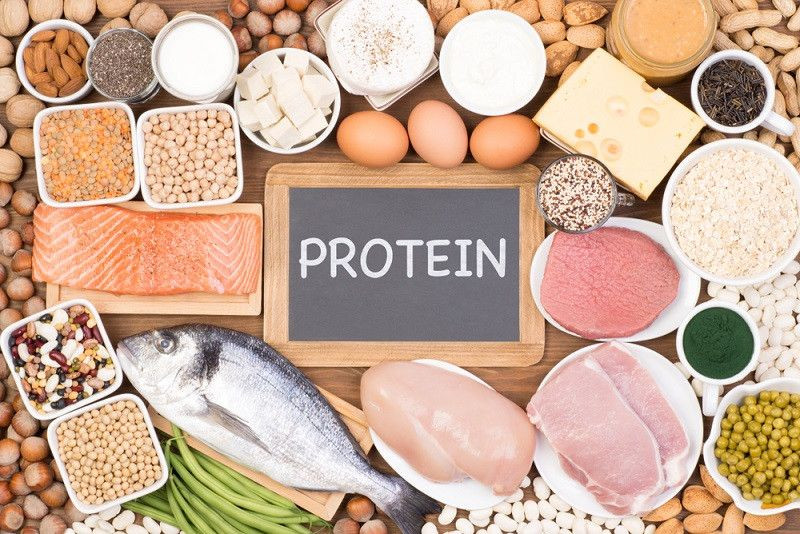
Protein often represents the biggest expense on a grocery bill. Instead of relying solely on fresh cuts of beef and poultry, integrate plant-based and low-cost animal proteins into your weekly menu.
Lentils and dried beans, for instance, are incredibly versatile, offering high fiber, complex carbohydrates, and essential protein for mere pennies per serving. They can be used as meat substitutes in tacos, chili, and stews. Eggs are another fantastic budget protein source, offering complete nutrition and the ability to be prepared in countless ways for breakfast, lunch, or dinner.
Canned fish like tuna, sardines, and salmon (if bought in bulk) are excellent sources of Omega-3 fatty acids and protein. When rinsing canned beans and fish before use, you also reduce their sodium content, making them a healthier choice.
Strategic Shopping: When and Where to Buy
Maximizing savings requires more than just making a list; it demands attention to timing and location. Shopping smarter means taking advantage of cyclical price drops and store infrastructure.
Harnessing the Benefits of Frozen and Seasonal Produce
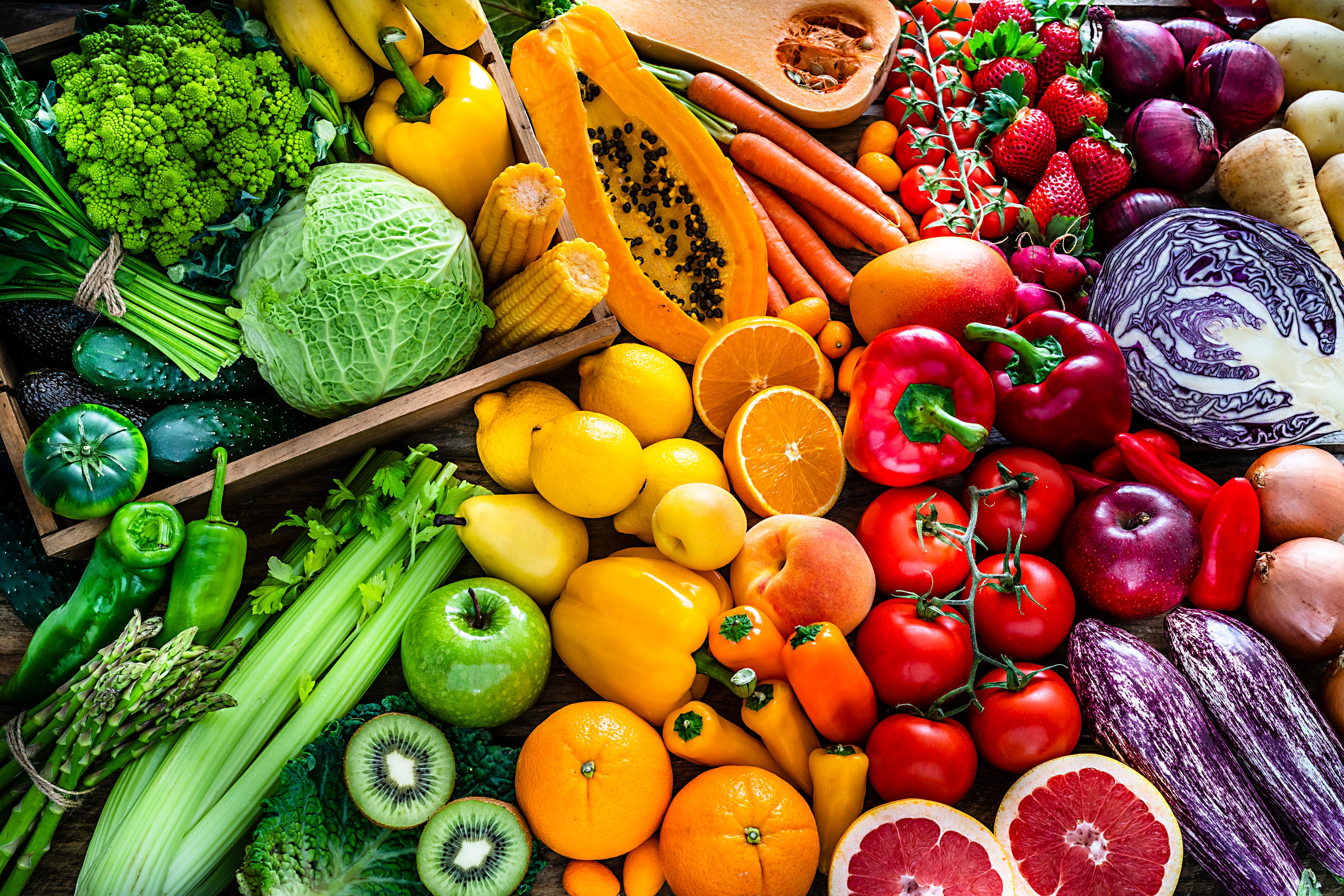
Seasonal produce is nearly always cheaper, tastes better, and often requires less transportation, benefiting both your wallet and the environment. Check local farmers’ markets near closing time; vendors may offer steep discounts on items they don’t want to transport back.
Do not overlook the frozen aisle. According to the Produce for Better Health Foundation, frozen vegetables are picked at their peak ripeness and flash-frozen, preserving their nutritional value. Items like frozen spinach, broccoli florets, and berries are often cheaper than their fresh counterparts and eliminate the risk of spoilage, which is critical when trying to eat healthy on a budget.
Store Brands vs. Name Brands
For staples such as dried pasta, whole-grain flour, oats, canned tomatoes, and spices, choosing the store or generic brand can yield significant savings—sometimes 20% or more—without a noticeable drop in quality. These products are frequently produced in the same facilities as the name brands. Focus on buying name brands only when a specific quality difference (like a high-end olive oil) truly justifies the added expense.
Furthermore, always look for the store’s “loss leaders”—items advertised at very low prices to lure customers in. These are often milk, eggs, or seasonal fruit, and they should be prioritized during your shopping trip.
Conclusion
eating healthy is not a privilege reserved for the wealthy; it is achievable for every family willing to adopt discipline and strategy in the kitchen and the grocery store. By prioritizing meal planning, leveraging the low cost of pantry staples like legumes, and making deliberate decisions based on unit price, you can navigate rising food costs effectively. These smart grocery hacks not only allow you to eat healthy on a budget but also reduce food waste, creating a sustainable and financially sound approach to family nutrition. Start small—implementing just one or two of these strategies can lead to noticeable savings immediately.
Frequently Asked Questions (FAQ)
Are frozen vegetables as nutritious as fresh vegetables?
Yes. Frozen vegetables are typically picked and frozen at the height of ripeness, locking in vitamins and minerals. In many cases, they can be nutritionally superior to fresh produce that has spent days traveling and sitting in a store display, losing nutrient content over time.
What are the cheapest sources of protein for a family?
The absolute cheapest sources of protein include dried lentils and beans (black beans, chickpeas), which cost mere cents per serving. Eggs are also highly affordable and versatile. For non-plant-based options, purchasing ground turkey or chicken in bulk and freezing portions is a cost-effective strategy.
How much money can I save by meal prepping?
While savings vary, many families report saving between $50 to $150 per week simply by eliminating impulse lunch purchases and reducing spoilage. Meal prepping ensures that every ingredient bought is intentionally used, directly translating to financial savings and better adherence to your goal to eat healthy on a budget.
Should I prioritize organic foods if I am on a tight budget?
While organic foods are beneficial, they often carry a significant price premium. If your budget is tight, prioritize buying conventional whole foods (fruits, vegetables, whole grains) over expensive organic processed snacks. If you wish to buy some organic items, reference the Environmental Working Group’s “Dirty Dozen” list to prioritize which produce items are best purchased organically.