In an era defined by increased attention to personal wellness, finding reliable, evidence-based methods to strengthen our internal defenses is crucial. While no single food can cure illness, incorporating specific, nutrient-dense ingredients into our daily diet offers powerful support for robust immunity. We sifted through nutritional science and public health data to identify the most potent options.
This comprehensive report details the 10 Superfoods Backed by Science That Can Boost Your Immune System Naturally, providing you with the knowledge needed to make impactful dietary choices today. These functional foods are rich in vitamins, antioxidants, and anti-inflammatory compounds essential for optimizing cellular defense and minimizing the risk of infection.
Key Takeaways
- Diversity is Key: A strong immune system requires a wide array of vitamins (C, E, D), minerals (Zinc), and antioxidants, which no single food provides completely.
- The Gut Connection: Probiotic-rich foods are essential, as approximately 70% of the immune system resides in the gut.
- Anti-Inflammatory Action: Chronic inflammation weakens immune response; superfoods like ginger and turmeric help manage this systemic stress.
- Evidence-Based Choices: All 10 highlighted superfoods have substantial scientific literature supporting their immune-modulating effects.
Understanding Immune Support: Why Nutritional Science Matters
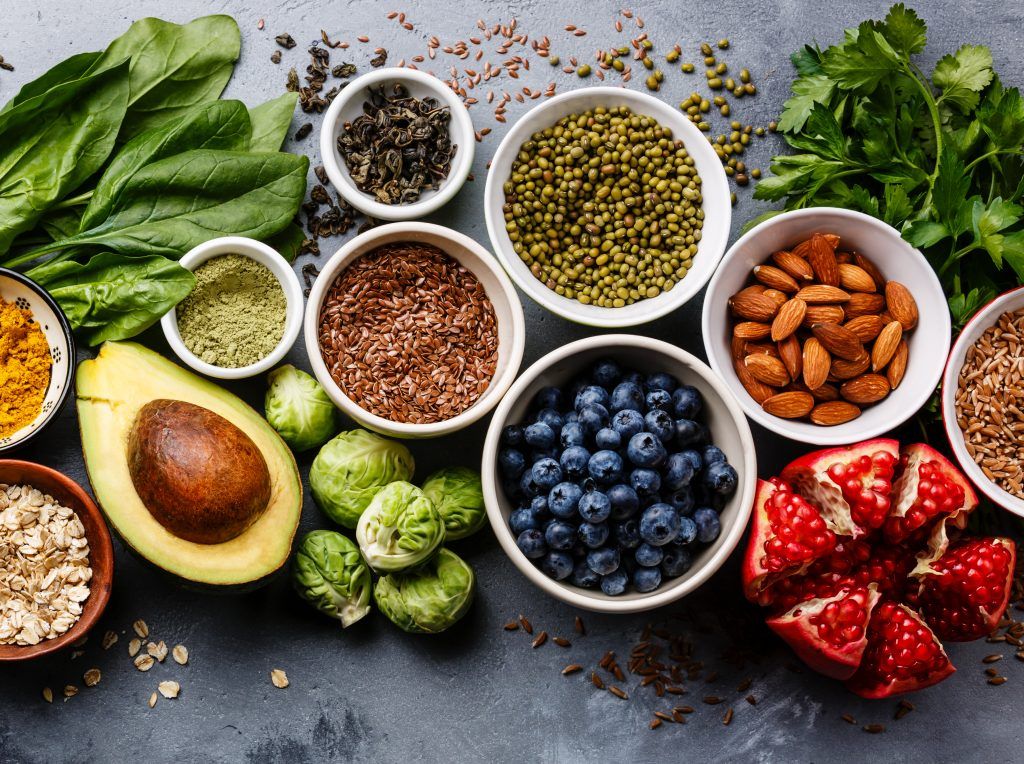
The immune system is a complex network requiring specific raw materials to function optimally. Nutritional deficiencies, even slight ones, can significantly impede the body’s ability to fight off pathogens. Researchers consistently point to key micronutrients—Vitamin C, Zinc, and Vitamin E—as non-negotiable components of effective immunity.
When we talk about “superfoods,” we are referring to foods that offer maximum nutritional density with minimal calories. These ingredients don’t just fill you up; they actively contribute to the biochemical processes that maintain health and protect against environmental stressors.
The Powerhouse of Vitamins: Targeting Cellular Defense
According to manipalhospitals, Optimal immune function requires a steady supply of vitamins that act as antioxidants, neutralizing damaging free radicals and protecting white blood cells. Two categories, in particular, stand out for their defense mechanisms.
- 1. Citrus Fruits (The Vitamin C Champion): Foods like oranges, grapefruits, and lemons are loaded with Vitamin C, which is vital for the production of lymphocytes and phagocytes—the body’s primary infection-fighting cells.
- 2. Bell Peppers (A C-Level Surprise): Surprisingly, red bell peppers contain nearly three times the Vitamin C found in an orange. They are also a great source of beta-carotene, which the body converts to Vitamin A, crucial for healthy mucous membranes.
- 3. Almonds (Vitamin E Guardian): Vitamin E is a powerful fat-soluble antioxidant. Almonds are one of the best dietary sources, helping to protect cell membranes from damage during immune response.
- 4. Spinach (Folate and Antioxidants): This leafy green is rich in Vitamin C, beta-carotene, and folate. Its dense antioxidant profile means it’s best consumed lightly cooked to retain its nutritional value while boosting absorption.
- 5. Ginger: Known for its anti-nausea effects, ginger also contains gingerols, potent anti-inflammatory and antioxidant compounds. It is effective in reducing chronic pain and supporting respiratory health.
- 6. Garlic (The Allicin Specialist): The immune-boosting properties of garlic come from sulfur-containing compounds, particularly allicin. Studies show allicin may help ward off cold and flu symptoms and stimulate protective immune cells.
- 7. Turmeric (Curcumin’s Magic): Curcumin, the active ingredient in turmeric, is arguably the most extensively researched natural anti-inflammatory compound. Its ability to modulate immune signaling molecules makes it a staple for chronic health support.
- 8. Yogurt and Kefir (Probiotics): Fermented dairy products containing live and active cultures, such as Lactobacillus and Bifidobacterium, strengthen the gut barrier and enhance the body’s production of antibodies. Opt for plain varieties to avoid excessive sugar.
- 9. Blueberries (Anthocyanin Power): These small berries are packed with anthocyanins, a type of flavonoid that possesses powerful antioxidant qualities. Regular consumption has been linked to better respiratory function and faster recovery from viral challenges.
- 10. Green Tea (EGCG): Green tea is rich in epigallocatechin gallate (EGCG), another powerful antioxidant. EGCG has been shown to enhance the function of T-cells, which are crucial for fighting pathogens. The amino acid L-theanine also present in green tea may aid in the production of germ-fighting compounds.
Fighting Inflammation: Functional Foods with Anti-Viral Properties

Inflammation is the body’s natural response to injury or infection, but chronic, low-grade inflammation can severely compromise the immune system over time. Many of the most celebrated superfoods for the immune system act specifically by dampening inflammatory pathways.
Harnessing the Natural Anti-Inflammatory Trio
These root vegetables and spices have been used in traditional medicine for centuries, a practice now validated by modern nutritional science.
The Gut-Immunity Axis: Probiotics and Prebiotics
The health of the gut microbiome is inextricably linked to immune response. A diverse population of beneficial bacteria in the digestive tract helps train and regulate the immune system. Functional foods that promote gut balance are essential to naturally boosting immunity.
Boosting Defense Through Specialized Antioxidants
Beyond the common vitamins, specific phytochemicals found in certain foods offer targeted benefits for immune cell protection.
Conclusion: Integrating Immunity-Boosting Superfoods into Your Diet
Adopting a proactive approach to wellness means consistently nourishing your body with high-quality nutrients. These 10 Superfoods Backed by Science That Can Boost Your Immune System Naturally are not quick fixes, but foundational elements of a resilient body.
To maximize benefits, focus on incorporating a variety of these items daily. A spinach smoothie with ginger and blueberries, a salad topped with bell peppers and almonds, or a nightly tea featuring turmeric and garlic are practical, sustainable ways to elevate your defenses. Consistency, combined with adequate sleep and stress management, is the true recipe for enduring immune strength.
Frequently Asked Questions (FAQ)
Are these superfoods effective against severe illnesses like the flu or common cold?
While no food can prevent or cure the flu or common cold, the regular consumption of these immune-boosting superfoods—rich in Zinc, Vitamin C, and antioxidants—can significantly strengthen the body’s overall defense mechanism. This can potentially reduce the severity and duration of symptoms if you do become ill, by supporting rapid immune response.
How quickly can I expect to see an improvement in my immune health?
Nutritional changes require time to manifest at a cellular level. While improvements in gut health might be noticed within days or weeks, the benefits of fortified antioxidant stores and cellular resilience are cumulative. Consistent daily consumption over several months is generally required to achieve and maintain optimal immune system function.
Is it better to consume supplements or whole superfoods for immune support?
Experts overwhelmingly recommend prioritizing whole superfoods over supplements. Whole foods provide a complex synergy of nutrients, fiber, and phytochemicals that often work together more effectively than isolated compounds found in supplements. Supplements should only be used to correct documented deficiencies under professional guidance.
Should children consume these superfoods in the same amounts as adults?
Children can safely and beneficially consume most of these superfoods, though portion sizes should be adjusted based on age and weight. Ingredients like yogurt, blueberries, spinach, and citrus fruits are excellent additions to a child’s diet. Highly potent items like high doses of garlic or turmeric should be moderated for younger children.