In the rapidly evolving landscape of nutritional science, a quiet but powerful revolution is taking place, centered deep within our digestive systems. Modern research has unveiled the profound connection between the microbes residing in our gut and virtually every facet of our overall wellness, from mental clarity to immune defense. This vital realization has thrust ancient food traditions back into the spotlight.
The core focus of this movement is the consumption of foods rich in beneficial bacteria. When discussing preventative nutrition and optimizing the internal ecosystem, no category is more important than Fermented Foods and Gut Health. Specifically, staples like kimchi, traditional yogurt, and kombucha are emerging as accessible, functional powerhouses capable of transforming the human microbiome and setting a new standard for daily dietary habits.
Key Takeaways
- Microbiome Boost: Fermented foods introduce diverse strains of beneficial bacteria (probiotics) directly into the gut, essential for maintaining a balanced and robust internal ecosystem.
- Immune System Support: A significant portion of the body’s immune function is housed in the gut. Regular consumption of foods like kimchi can fortify this defense mechanism.
- Nutrient Availability: The fermentation process acts as a pre-digestion step, making vitamins (especially B vitamins) and minerals more bioavailable for absorption by the body.
- Accessibility and Variety: Unlike expensive supplements, staples like yogurt and kombucha offer an enjoyable and cost-effective method to incorporate daily probiotics.
Decoding the Gut Microbiome: The Science Behind Fermentation

The gut microbiome refers to the trillions of microorganisms, bacteria, fungi, and viruses that live inside the digestive tract. Scientists often refer to it as the body’s “second brain” because of its influence over neurotransmitter production and overall systemic function. Maintaining diversity within this community is critical for health.
Fermentation is an anaerobic metabolic process where yeasts and bacteria convert carbohydrates (sugars) into organic acids, gases, or alcohol. This process not only preserves food but also cultivates high concentrations of live, beneficial bacteria, known as probiotics.
These probiotics, primarily strains of Lactobacillus and Bifidobacterium, are crucial for several bodily functions. They help break down complex fibers (prebiotics), crowd out harmful pathogens, and produce essential short-chain fatty acids (SCFAs) like butyrate, which fuels the cells lining the colon.
The Power Trio: Kimchi, Yogurt, and Kombucha Analyzed
While many foods are fermented, kimchi, yogurt, and kombucha stand out due to their global accessibility and high concentrations of active cultures that survive the digestive journey.
Kimchi: The Korean Staple for Digestive Fire
Kimchi, the spicy, pungent, fermented cabbage dish from Korea, is perhaps the gold standard in functional Fermented Foods and Gut Health. It is traditionally made with napa cabbage, radish, garlic, and gochugaru (chili powder).
The key to kimchi’s immense health benefits lies in its high fiber content (acting as a prebiotic fuel source) and its dominant probiotic strain, Lactobacillus kimchii. Studies have indicated that kimchi possesses potent antioxidant properties, aids in cholesterol regulation, and exhibits anti-inflammatory effects far beyond simple digestive aid.
Traditional Yogurt: Accessible Probiotic Delivery
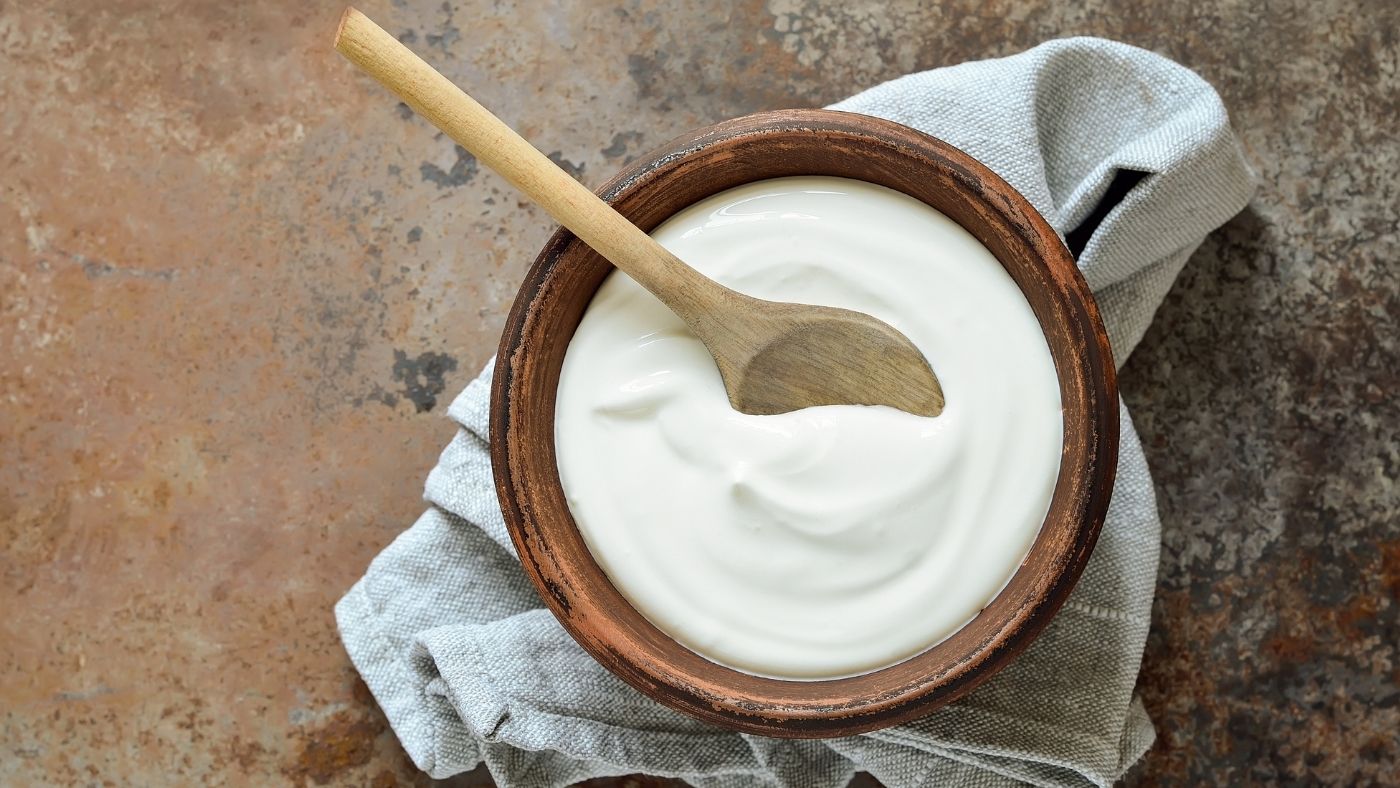
Yogurt, when properly prepared and unpasteurized after fermentation, is a cornerstone of a probiotic-rich diet. The U.S. National Yogurt Association requires products labeled “live and active cultures” to contain at least 100 million cultures per gram at the time of manufacture.
According to revolutionfermentation, Yogurt is an excellent source of calcium and protein, but its main contribution to gut health comes from strains like Streptococcus thermophilus and Lactobacillus bulgaricus. It is particularly beneficial for individuals dealing with lactose intolerance, as the bacteria pre-digest much of the lactose.
Kombucha: The Effervescent Elixir

Kombucha is a lightly carbonated, sweetened tea beverage that is fermented using a symbiotic culture of bacteria and yeast (SCOBY). The resulting drink is rich in acetic acid (vinegar), polyphenols, and various B vitamins.
While the exact microbial profile of kombucha varies widely depending on the brewing time and temperature, it generally contains Acetobacter (which produces acetic acid) and various yeasts. These components contribute to improved digestion and potential liver support. Consumers should, however, be mindful of the sugar content in commercially prepared kombucha.
Beyond Digestion: Functional Foods and Immune Support
The relationship between Fermented Foods and Gut Health extends far beyond regular bowel movements. It is inextricably linked to the strength of the immune system. Approximately 70% of the body’s immune cells reside in the gut-associated lymphoid tissue (GALT).
When the microbiome is balanced, the beneficial bacteria communicate with immune cells, teaching them to differentiate between harmless substances and harmful invaders. This process reduces chronic inflammation, which is a major driver of modern disease.
Integrating Fermented Foods into the Modern Diet
To maximize the benefits of these foods, consistency is paramount. Nutritionists recommend incorporating small servings daily rather than large amounts infrequently. However, caution is advised for newcomers.
Dr. Megan Rossi, a leading dietitian specializing in gut health, suggests starting small perhaps a spoonful of kimchi or half a cup of plain yogurt—to allow the body to adjust to the influx of new bacteria. Look specifically for products labeled “unpasteurized” or “with live and active cultures” to ensure the beneficial microbes are still alive.
It is important to understand that highly processed fermented products, such as many commercial sour pickles or heat-treated sauerkraut, may have been pasteurized, killing the beneficial bacteria. Always prioritize whole, traditional, and minimally processed options.
Conclusion
The emerging science confirming the power of the microbiome means that focusing on Fermented Foods and Gut Health is not a passing wellness fad; it is a fundamental shift in preventative healthcare. Kimchi, yogurt, and kombucha offer accessible, evidence-based methods to enhance microbial diversity, strengthen the immune system, and support overall vitality.
By intentionally adding these ancient, functional foods back into our daily rotation, we are taking proactive steps to cultivate the delicate internal environment that dictates much of our health trajectory, proving that the secret to future wellness lies in harnessing the power of tiny organisms.
Frequently Asked Questions (FAQ)
What is the difference between Probiotics and Prebiotics?
Probiotics are the live, beneficial bacteria found in fermented foods like yogurt and kimchi. Prebiotics are types of non-digestible fiber found in foods like garlic, onions, and bananas that act as the essential food source (fertilizer) for the probiotics already living in or introduced to the gut. Both are necessary for a healthy microbiome.
Do all fermented foods contain beneficial probiotics?
No. While fermentation creates probiotics, many commercially produced foods are heated or pasteurized after fermentation to ensure shelf stability and kill potential spoilage organisms. This heat treatment also destroys the beneficial bacteria. Always check labels for phrases like “contains live and active cultures” or “unpasteurized” when seeking gut benefits.
Can consuming too much fermented food cause side effects?
For individuals new to consuming large amounts of probiotics, common side effects can include temporary bloating, gas, or mild digestive discomfort. This is usually a sign that the gut flora is adjusting. Experts recommend starting with a small amount (about half a serving) and slowly increasing intake over a few weeks.
If I drink Kombucha, do I still need to eat Kimchi or Yogurt?
Ideally, yes. Different fermented foods host different strains of bacteria and yeasts. Kimchi provides high levels of *Lactobacillus* species, yogurt provides traditional dairy strains, and kombucha provides unique yeasts and acetic acid bacteria. Consuming a variety ensures greater microbial diversity, which is the ultimate goal for optimizing gut health.