The culinary landscape is undergoing a revolutionary transformation, driven by an increasing global awareness of health, sustainability, and ethical consumption. At the forefront of this shift is the ascent of the Plant-Based Diet (PBD). Far more than a passing trend, this way of eating, which prioritizes foods derived from plants and limits or excludes animal products, has become a cornerstone of modern nutrition discussions.
This comprehensive guide dives deep into the science behind the PBD, outlining the powerful health benefits observed in clinical studies, addressing the nutritional risks that require careful planning, and offering practical strategies for creating delicious, balanced meals. Whether you are considering a full commitment or simply want to incorporate more vegetables into your routine, understanding the nuances of the Plant-Based Diet is essential for optimizing your well-being.
Key Takeaways
- Significant Health Benefits: Adopting a PBD is strongly linked to a reduced risk of chronic diseases, including Type 2 diabetes, heart disease, and certain cancers, largely due to increased fiber and antioxidant intake.
- Critical Nutrient Planning: To avoid deficiencies, followers must strategically plan for Vitamin B12, Iron, Calcium, and Omega-3 fatty acids, often requiring fortified foods or supplements.
- Focus on Whole Foods: The health advantages are maximized when the diet focuses on whole, minimally processed plant foods rather than highly refined plant-based substitutes (e.g., heavily processed vegan junk food).
- Sustainability Impact: PBD is recognized by major environmental organizations as a powerful tool for reducing carbon footprints and promoting sustainable food systems globally.
Unlocking the Nutritional Power of a Plant-Based Diet
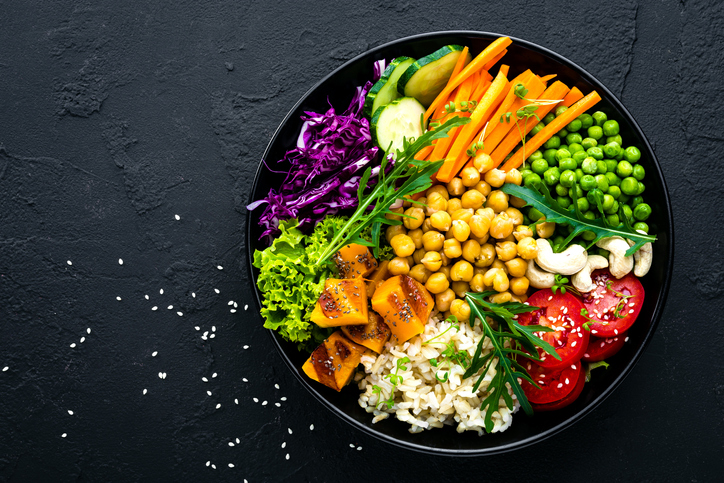
The primary appeal of moving toward a Plant-Based Diet lies in its potential to radically improve long-term health outcomes. These benefits stem directly from the fundamental building blocks of plant foods: fiber, complex carbohydrates, vitamins, minerals, and a vast array of phytochemicals.
Organizations like the American Heart Association (AHA) frequently champion plant-forward eating patterns due to their inherently low levels of saturated fat and cholesterol. By replacing red meat and processed animal products with whole grains, legumes, and nuts, individuals naturally reduce their intake of pro-inflammatory compounds.
Cardiovascular Health and Disease Prevention
Research consistently shows that individuals following PBDs tend to have lower body mass indexes (BMIs) and healthier blood pressure readings. The high fiber content found in vegetables and beans plays a dual role: it helps maintain healthy weight management and actively binds to cholesterol in the digestive tract, facilitating its removal from the body.
Furthermore, the abundance of antioxidants—such as those found in berries, dark leafy greens, and purple vegetables—combats oxidative stress. This protective mechanism is crucial for maintaining the health and elasticity of blood vessels, significantly lowering the risk of atherosclerosis and stroke.
Essential Considerations: Addressing Potential Plant-Based Diet Risks

According to greenhouse.agency, While the health advantages are compelling, a poorly planned Plant-Based Diet can lead to significant nutritional shortfalls. It is critical for PBD followers to adopt a strategic approach to ensure complete nutritional adequacy.
The most common deficiency concerns revolve around nutrients that are predominantly found or most bioavailable in animal products.
Vitamin B12: The Non-Negotiable Supplement
Vitamin B12, essential for nerve function and the creation of red blood cells, is produced by bacteria and is not naturally found in plant foods unless they are fortified. For anyone strictly following a vegan or near-vegan PBD, supplementation is not optional—it is mandatory. Failing to address B12 intake can lead to irreversible neurological damage.
Ensuring Adequate Protein and Iron Intake
The myth that a PBD cannot provide enough protein has been largely debunked. Plant sources such as lentils, chickpeas, tofu, tempeh, and quinoa offer complete protein profiles when consumed in adequate quantities and variety throughout the day.
Iron absorption, however, presents a challenge. Plant-based iron (non-heme iron) is less readily absorbed than animal-based iron (heme iron). To maximize absorption, PBD experts recommend pairing iron-rich foods (like spinach or beans) with Vitamin C sources, such as citrus fruits or bell peppers, at the same meal. Similarly, strategic inclusion of flaxseeds, walnuts, and algae-based supplements helps ensure adequate Omega-3 fatty acids (EPA/DHA).
Smart Meal Ideas and Planning for the Plant-Based Eater
One of the biggest obstacles for newcomers to the Plant-Based Diet is overcoming the idea that meals will be restrictive or boring. In reality, a PBD opens the door to unparalleled culinary diversity, focusing on vibrant spices and textures.
Successful PBD implementation relies heavily on meal prepping and thoughtful ingredient sourcing. Always keep staple ingredients stocked to facilitate quick, nutrient-dense meals.
- The Power Bowl: Build meals around a base of whole grains (quinoa or brown rice), adding a protein source (black beans or roasted chickpeas), a dark leafy green, and a healthy fat dressing (tahini or avocado).
- Lentil Mastery: Lentils are a versatile and budget-friendly protein powerhouse. They can be used as a ground meat replacement in tacos, incorporated into hearty soups, or blended into plant-based patties.
- Tofu and Tempeh Transformation: These soy-based ingredients are blank canvases. Pressing tofu thoroughly before marinating and baking or pan-frying drastically improves texture and flavor absorption.
Adopting a whole-foods, plant-based approach means prioritizing minimally processed ingredients. This maximizes fiber intake, supports a healthy gut microbiome, and minimizes hidden sodium and sugar often found in highly processed substitutes.
Conclusion
The commitment to a Plant-Based Diet represents a profound investment in personal health and global sustainability. By prioritizing whole, unprocessed foods, individuals can significantly reduce their risk factors for chronic disease and experience heightened energy and vitality.
However, successful long-term adherence requires awareness and diligence, particularly concerning essential nutrients like B12 and iron. With careful planning, strategic supplementation, and a commitment to culinary exploration, the PBD offers a sustainable, rewarding, and delicious path toward optimal health for millions around the world.
Frequently Asked Questions (FAQ)
Is a Plant-Based Diet the same as being vegan?
No, while often used interchangeably, there is a technical difference. Veganism is typically a lifestyle defined by ethical beliefs, excluding all animal products (including honey, leather, and gelatin). A Plant-Based Diet focuses purely on dietary choices, prioritizing plants but sometimes allowing for minimal animal products (like dairy or fish) depending on the individual’s specific interpretation (often called “plant-forward” or “flexitarian”).
How do I ensure I get enough protein on a PBD?
Protein needs can be easily met by ensuring every main meal contains a rich plant protein source. Focus on legumes (beans, chickpeas, peanuts), soy products (tofu, edamame), nuts, seeds, and whole grains like oats and quinoa. Variety is key; consuming different protein sources throughout the day ensures intake of all nine essential amino acids.
What are the best sources of Vitamin B12 for PBD followers?
Since B12 is not reliably found in unfortified plant foods, the safest and most reliable sources are fortified foods—such as nutritional yeast, some plant milks, and fortified breakfast cereals—or, preferably, a daily Vitamin B12 supplement. This ensures consistent and adequate intake to prevent deficiency.
Does following a PBD make it difficult to dine out?
In the current environment, dining out as a plant-based eater is easier than ever. Most restaurants now feature explicit vegetarian or vegan options. When in doubt, look for ethnic cuisines that rely heavily on legumes and vegetables, such as Indian, Thai, or Mediterranean food, and request substitutions where needed.


