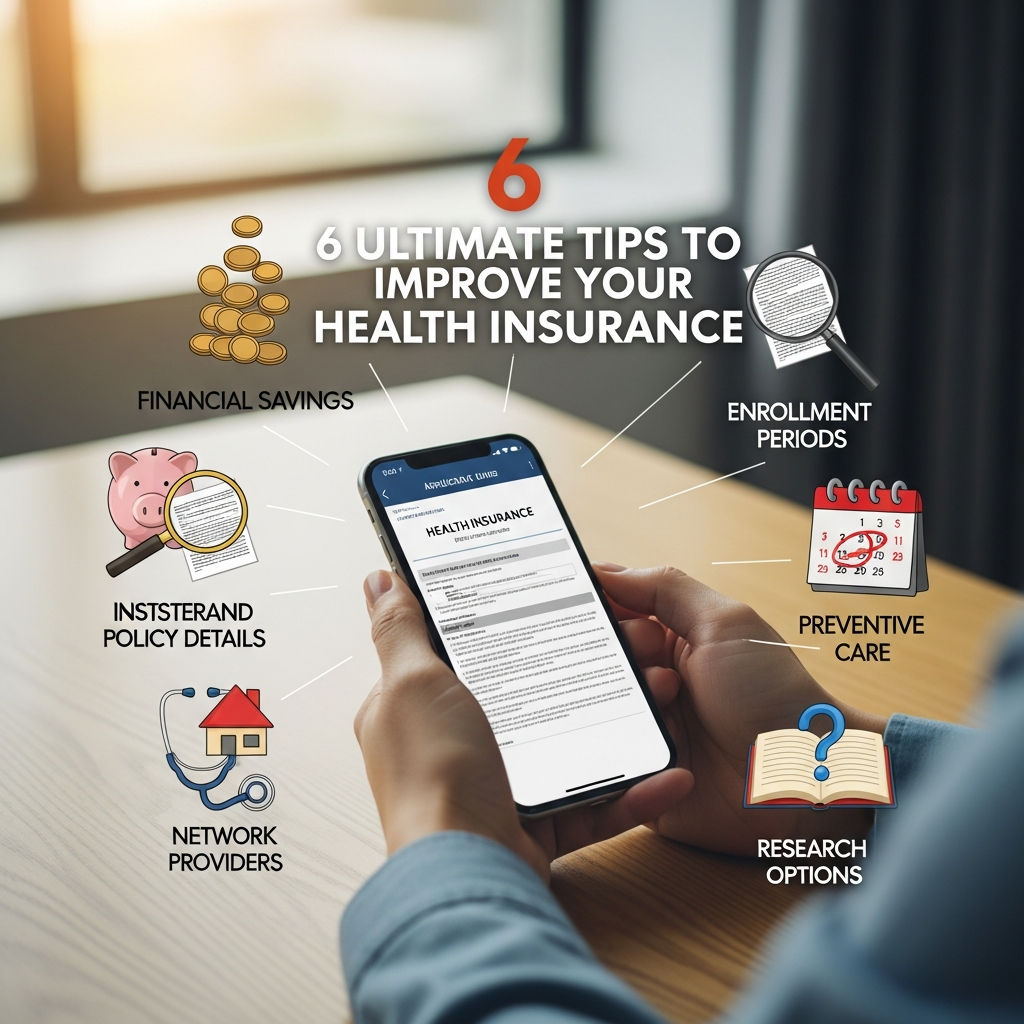
Navigating the world of healthcare coverage can feel like learning a new language. For those stepping into the health insurance market for the first time whether leaving a parent’s plan, starting a new job, or utilizing the Marketplace the complexity of terms like “deductibles,” “co-insurance,” and “out-of-pocket maximums” can be overwhelming.
Choosing the wrong policy can lead to unexpected bills and significant financial strain. This comprehensive guide, Health Insurance 101, breaks down the essential information, terminology, and strategies you need to confidently select a plan that protects both your health and your wallet.
Key Takeaways
- The Big Four: Understand the difference between Premiums (monthly cost), Deductibles (what you pay first), Co-pays (fixed service costs), and the Out-of-Pocket Maximum (your annual spending cap).
- Plan Types Matter: PPO plans offer more flexibility outside a network, while HMO plans typically require referrals and limit care to specific providers, often resulting in lower monthly premiums.
- Network is Crucial: Always confirm if your preferred doctors, specialists, and hospitals are “in-network” before enrolling to avoid paying significantly higher out-of-network rates.
- Timing is Essential: Most people must enroll or make changes during the annual Open Enrollment period, typically held late in the year. Missing this window requires a Qualifying Life Event (QLE).
Understanding the Core Vocabulary of Health Insurance 101
Before comparing plans, every beginner must master the financial language that governs health coverage. These four terms dictate how much you pay for healthcare throughout the year.
Premiums, Deductibles, and Co-Insurance: The Financial Trio
According to alliancehealth.com, The Premium is the fixed amount you pay every month, regardless of whether you use medical services. Think of this as the subscription fee for having coverage. If you don’t pay your premium, your coverage will be canceled.
The Deductible is the specific amount you must pay entirely out-of-pocket for covered services before your insurance company begins to pay. If your deductible is $3,000, you pay the first $3,000 in bills before your insurer contributes anything (preventive care is usually exempt).
After you meet your deductible, you enter the phase of Co-insurance. This is a percentage split of the costs between you and the insurance company. For example, an 80/20 co-insurance means the insurer pays 80% of covered services, and you pay 20%, until you hit the maximum spending limit.
The Critical Safety Net: Out-of-Pocket Maximum
The most crucial financial term for a beginner learning about Health Insurance 101 is the Out-of-Pocket Maximum (OOPM). This is the absolute most you will have to pay for covered healthcare services in a calendar year, including your deductible, co-insurance, and co-pays.
Once you hit this maximum, the insurance company covers 100% of all subsequent covered services for the rest of the year. When comparing plans, a lower OOPM offers better financial security against catastrophic health events, even if the monthly premium is slightly higher.
Navigating the Plan Types: HMO vs. PPO and Beyond
Health plans are primarily structured around how they manage the network of doctors and facilities available to you. The two most common types are Health Maintenance Organizations (HMOs) and Preferred Provider Organizations (PPOs).
The Structure of HMO Plans
An HMO (Health Maintenance Organization) typically features lower monthly premiums and deductibles. However, they are highly restrictive. You must choose a Primary Care Physician (PCP) who acts as a gatekeeper for all your care. To see a specialist, you generally need a formal referral from your PCP.
Crucially, HMOs almost never cover care received outside their network, except in medical emergencies. This structure is excellent for healthy individuals who prioritize lower costs and don’t mind centralized coordination of their care.
The Flexibility of PPO Plans
A PPO (Preferred Provider Organization) offers significantly more flexibility. You generally do not need a referral to see specialists, and you can see providers who are outside the network.
While PPOs maintain a network of “preferred” providers where costs are lowest, they still offer partial coverage for out-of-network doctors. This flexibility comes at a cost: PPO plans usually have higher premiums and higher overall out-of-pocket costs than HMO plans.
Other common, though less frequent, options include Exclusive Provider Organizations (EPOs) and Point of Service (POS) plans, which combine features of the restrictive HMO and flexible PPO models.
Crucial Considerations Before Open Enrollment
Selecting the right policy requires looking past the monthly premium. A high-premium plan might save you money in the long run if you anticipate needing frequent medical services or expensive prescriptions.
Analyzing Network Size and Prescription Coverage
For beginners starting with Health Insurance 101, the number one mistake is assuming their current doctor accepts the new plan. Always use the insurer’s online directory or call the provider directly to confirm they are “in-network.” If your preferred doctor is not in-network, even routine visits can incur steep, unanticipated charges.
Furthermore, review the plan’s formulary the list of covered drugs. If you take regular, costly medications, ensure they are classified in a lower-cost tier on your potential new plan. Sometimes, switching to a high-deductible plan that covers your specific medication might be more economical than a low-deductible plan that classifies it in a top-cost tier.
Considering Age, Location, and Subsidies
Under the guidelines established by the Affordable Care Act (ACA), certain factors determine premium costs. Your age, location (state and county), and tobacco use are factored into pricing. However, your gender or current health status cannot be used to set rates.
Many beginners qualify for subsidies, known as Premium Tax Credits, if they purchase a plan through the official federal or state Health Insurance Marketplace. These subsidies can significantly reduce your monthly premium, making robust coverage accessible even with a limited budget.
Conclusion
Choosing health insurance is one of the most important financial decisions you will make this year. By mastering the core concepts premiums, deductibles, co-pays, and the out-of-pocket maximum—and carefully evaluating the trade-offs between HMO structure and PPO flexibility, you move from novice to informed consumer.
Remember that the best insurance plan is not necessarily the one with the lowest monthly premium, but the one that offers the greatest financial protection when you need it most. Use this Health Insurance 101 knowledge to secure coverage that provides true peace of mind during your next enrollment period.
Frequently Asked Questions (FAQ)
What is a Qualifying Life Event (QLE)?
A QLE is an event that allows you to enroll in or change your health insurance plan outside of the standard Open Enrollment period. Common examples of QLEs include getting married, getting divorced, having a baby, losing existing coverage due to job loss, or moving to a new coverage area.
Should I choose a High-Deductible Health Plan (HDHP)?
HDHPs have significantly lower premiums but much higher deductibles. They are often paired with a Health Savings Account (HSA), which offers tax benefits for saving and spending healthcare money. An HDHP is a good option for generally healthy people who want to save on monthly costs and can afford to pay the full deductible if a major health issue arises.
Are routine dental and vision visits covered by standard health insurance plans?
Generally, no. Standard major medical insurance plans (like those under the ACA) typically do not cover routine adult dental or vision care, such as cleanings or eye exams. These services usually require purchasing separate, supplemental dental and vision policies. Pediatric dental and vision coverage is often required under ACA marketplace plans.
What does “In-Network” versus “Out-of-Network” mean?
An “In-Network” provider is a doctor, clinic, or hospital that has a contract with your insurance company to provide services at a pre-negotiated, discounted rate. “Out-of-Network” providers do not have this contract, meaning the insurer will cover a much smaller percentage of the bill, leaving you responsible for significantly higher costs.